
How to Mail Certified Credit Disputes
Sending Certified Mail & Protecting Your Record
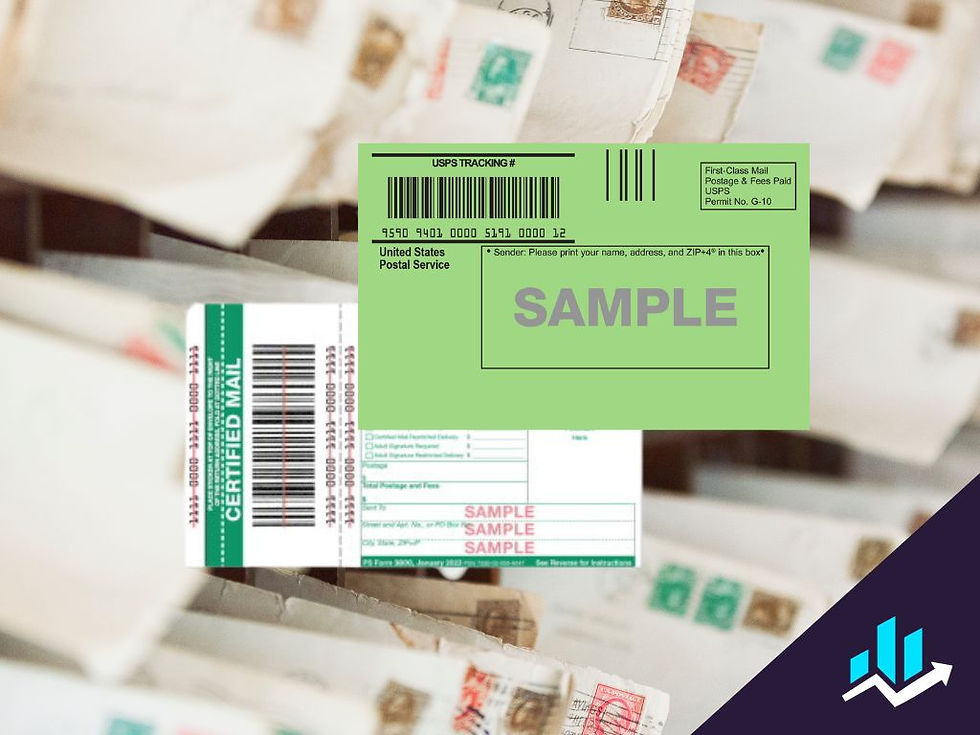
While many consumers are inclined to file disputes online, certified mail remains the most reliable way to communicate with credit bureaus and creditors. Sending a dispute by certified mail creates a paper trail, provides proof of delivery, helps ensure important documents are received and processed, and protects you in the event of dispute escalation. In this guide, we'll walk through the process of preparing, sending, and tracking a certified credit dispute letter.
Contents
Key Points
Keep Online Disputes Rare: Certified mail is the preferred method of dispute for many, often misunderstood. reasons.
Always Send by Certified Mail: Learn how to easily certify mail for your protection.
Get A Return Receipt: Get proof of delivery for your records and protect yourself from dishonest recipients.
Keep Copies of Everything: Track every communication, letter, email, and event along the repair process.
Why Dispute by Mail?
You may wonder why credit repair is so heavily focused on mail. After all, Many guides recommend you speed up the credit repair process by filing online. The major credit bureaus offer quick online disputes, file uploads, and preformatted dispute forms. Why waste time with an archaic form of communication on something that has long been solved by the miracle of the internet?
When a dispute is submitted online, it becomes subject to the rules of the bureau's internal systems, or the Expedited Dispute Resolution Process. This may sound like a simple convenience; however, this process can put you at a massive disadvantage. The truth is that these easy methods are not designed for your convenience but rather to help the bureau expedite denials, in other words, make it easier to avoid investigating your dispute.
It is commonly believed in the industry that credit reporting agencies use these online systems to subvert certain sections of the Fair Credit Reporting Act (FCRA). Some sources also claim online disputes can increase the chances disputed items will be "reinserted" onto your credit report at a later date. Because these systems are created by the agency themselves, they are designed to give them an advantage.
Regardless of the severity of the issue, the fact remains that mail, especially when tracked and certified, provides the peace of mind and legal protection that are crucial for most credit disputes. It also prevents consumers from placing the entire process in the hands of the credit bureau, which may not be eager to admit mistakes.
While some issues can be resolved online or over the phone. Filing disputes via certified mail is always the best method.

Preparing Your Credit Dispute Letter
Before heading to the post office, take the time to prepare your dispute package carefully. A well-organized dispute letter supported by relevant documentation can make it easier for the credit bureau or creditor to understand your claim and conduct a proper investigation. The goal is to clearly identify the disputed information, explain why it is inaccurate, and provide any evidence that supports your position.
Gather Documentation: Before mailing your dispute, collect any evidence that supports your claim. This could include bank statements, letters from creditors, or identity theft reports.
Write the Dispute Letter: Clearly state the facts. Include your personal information, the account number, the specific item you are disputing, and why you believe it is incorrect. Encourage the credit bureau to investigate and correct the information.
Make Copies: Always keep a copy of the dispute letter and the accompanying documents for your records.
How to Send Certified Mail

`Sending your dispute via certified mail ensures that you have proof that the credit bureau received your letter. This is crucial in case there is any dispute about whether the credit bureau responded in a timely manner.
Go to the Post Office: You cannot send certified mail from a regular mailbox or your home. It must be processed at a United States Postal Service (USPS) office.
Fill Out the Certified Mail Form: This green sticker form is available at the post office. Fill it out with the recipient's address. Attach it to the front of your envelope.
Pay for Certified Mail: The cost of sending a letter by certified mail varies depending on the size and weight of the letter. Pay the applicable fee at the counter.
Your certified mail receipt can be requested when mailing or ordered online for free here Certified Mail Fees 2024
Certified Mail | $4.40 |
Certified Mial w/ Restricted Delivery | $11.65 |
Obtaining a Return Receipt

A return receipt is an additional service that provides you with proof of delivery. It includes the date of delivery and the recipient's signature.
How to Request a Return Receipt:
Ask for the Return Receipt Form: This is also known as the PS Form 3811. Request it at the post office.
Fill Out the Form: Provide the address where you want the receipt sent.
Attach the Form to Your Mail: The postal worker will help you attach it to the back of the envelope.
Pay the Additional Fee: There is an extra cost for a return receipt. This fee is in addition to the certified mail fee.
Return Receipt Fees 2024
Return Receipt (PS 3811 Green Card) | $3.65 |
Return Receipt Electronic (PDF) | $2.32 |
Additional Tips
Keep Records: When you receive the return receipt, attach it to your copy of the dispute letter. This is your proof of the date the bureau received your dispute.
Follow-up: If you do not receive a response from the credit bureau within 30-45 days, follow up with a phone call or another letter. Refer to the certified mail receipt date as the start of the timeframe.
Keep Postage Receipts: Save all receipts from the post office, including the payment receipt for the certified mail and return receipt. These are part of your documentation trail.
Remember, sending your credit dispute through certified mail with a return receipt is the best way to ensure that there is a documented trail of your correspondence with the credit bureau. This can be vital in protecting your rights under the Fair Credit Reporting Act (FCRA).
👉 Ready to take control? Join our Credit Repair Course for access to full dispute guides, member-only templates, and advanced credit repair strategies.

Comments